Press Pause with Live Yoga, No Gear Required
Why Short, Guided Movement Works
The Physiology Behind a Five-Minute Reset
Breath Cues That Switch You from Rush to Restful
Undoing Desk Strain Without Lying on the Floor
Set Up Anywhere in Seconds
Your Office, Kitchen, or Park Bench Becomes a Studio
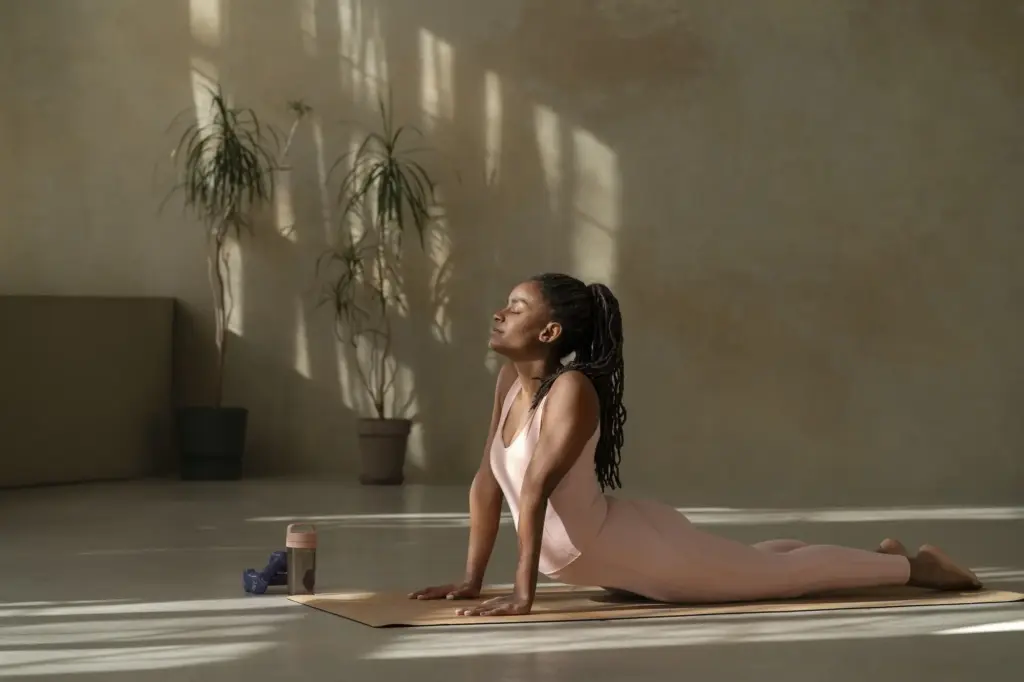
Slide back the chair, face a window, or steady a hand on a railing. That’s it. Standing postures and gentle chair work bring relief to wrists, hips, and back, even with minimal space. We use doorframes for traction, countertops for balance, and walls for alignment feedback. These quick, adaptable stations transform ordinary corners into restorative waypoints that fit before calls and between responsibilities without any heavy logistics.
Camera On or Off: Participate Your Way
Slide back the chair, face a window, or steady a hand on a railing. That’s it. Standing postures and gentle chair work bring relief to wrists, hips, and back, even with minimal space. We use doorframes for traction, countertops for balance, and walls for alignment feedback. These quick, adaptable stations transform ordinary corners into restorative waypoints that fit before calls and between responsibilities without any heavy logistics.
Clothing, Lighting, and Tiny Space Hacks
Slide back the chair, face a window, or steady a hand on a railing. That’s it. Standing postures and gentle chair work bring relief to wrists, hips, and back, even with minimal space. We use doorframes for traction, countertops for balance, and walls for alignment feedback. These quick, adaptable stations transform ordinary corners into restorative waypoints that fit before calls and between responsibilities without any heavy logistics.
Live Flows That Match Real Schedules
Five-Minute Morning Wake-Up Beside Your Desk
Before you open your inbox, stand tall, sweep arms for breath volume, and articulate ankles, knees, and hips. We’ll layer gentle spinal waves and shoulder flossing with mindful gaze shifts to soften screen strain. This short practice sparks circulation without sweat, invites curiosity into your posture, and sets a clear tone for the day: focused, receptive, and steady, even when agendas swell and surprises arrive early.
Midday Mobility for Shoulders, Hips, and Eyes
Hours of sitting shorten hip flexors, round shoulders, and tire tiny eye muscles. Our midday flow rotates the thoracic spine, lengthens front body lines, and refreshes vision through near-far focus drills. With the coach pacing transitions, you’ll feel both supported and unhurried. The goal is lightness, not athletic achievement, so you return to work loose, present, and quietly motivated to finish strong without afternoon crashes.
Evening Unwind That Respects Family Time and Space
Close the work loop gently with slow, supported standing stretches and wall-assisted forward folds. Breathing lengthens, senses soften, and your attention gathers back to the body. We avoid floor work to keep transitions easy in shared rooms. In minutes, you reduce residual tension, promote deeper sleep readiness, and arrive to your evening more patient, generous, and capable of enjoying conversations, meals, or quiet moments without lingering work noise.
Coaching, Community, and Motivation
Friendly Real-Time Cues Keep You Safe and Engaged
Coaches mirror movements, offer alternatives, and notice common patterns like locked knees or held breath. They pace rests generously, keeping intensity supportive rather than draining. Because guidance adapts to the moment, you learn body literacy quickly: where to root, when to soften, how to coordinate breath with motion. That personal attention prevents discomfort and lets progress accumulate naturally across days without strain or worry about correctness.
Stories from Busy People Finding a Pocket of Calm
From an engineer on deadline to a teacher between classes, members report surprising steadiness after short practices. One parent whispered that a five-minute wall stretch restored patience before bedtime chaos. Another professional used breath ratios to ground before presenting. These bites of presence ripple outward—meetings run smoother, commutes feel kinder, and creativity returns. Sharing wins invites others to try, discover relief, and keep momentum alive together.
Simple Ways to Invite Teammates and Build Routine
Post a calendar link in your channel, pair a daily stand-up with a shared two-minute reset, or rotate a gentle host who pings reminders. Tiny rituals create belonging across remote or hybrid teams. When colleagues stretch together, culture softens and energy rises. Encourage opt-in participation, celebrate consistency over intensity, and let the group’s warmth carry everyone through busy seasons with more smiles and fewer sore necks.
Safety and Inclusivity First